02
Before the printing press
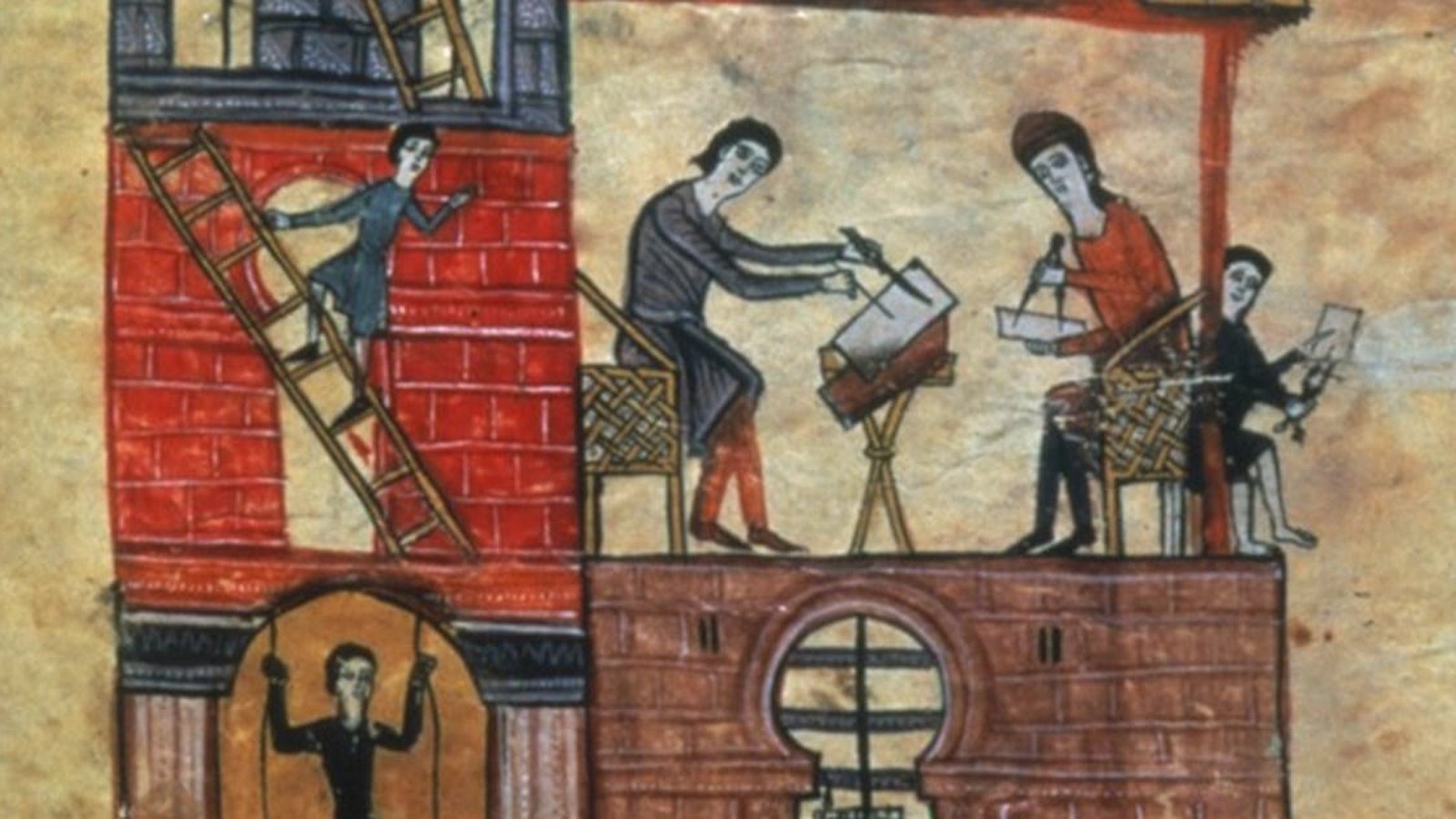
Monks like Cassiodorus’s scribes copied every book by hand, page onto page. A Bible took about a year.


The primitive unit of knowledge and memory for AI
Every file format today was made for humans. Prims are for AIs.
01
To understand why AIs need Prims, and not PDFs, we first have to understand why the printing press didn’t use a feather.
02
Monks like Cassiodorus’s scribes copied every book by hand, page onto page. A Bible took about a year.
03
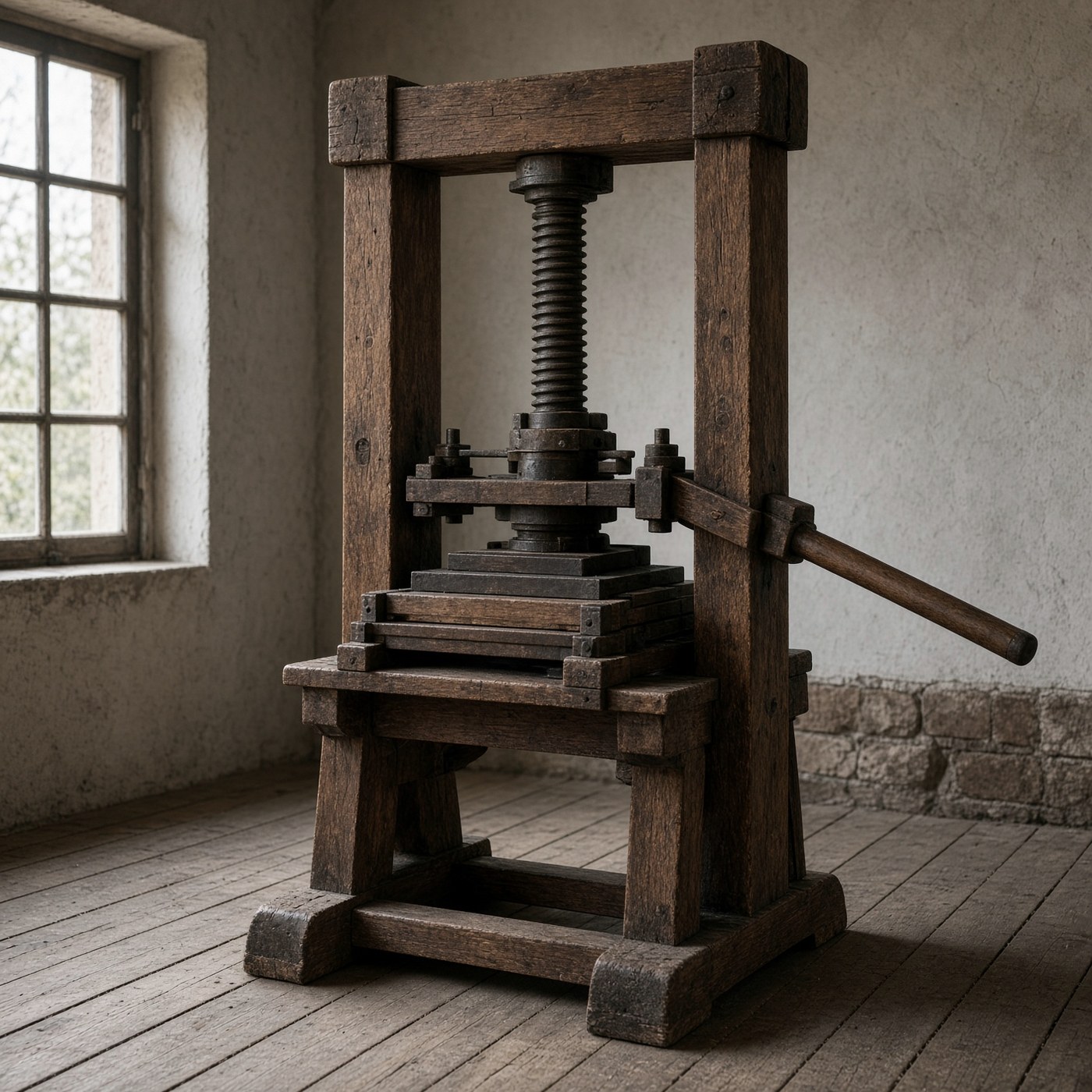
Mainz, 1455. A press could pull in a day what a monk copied in months. That is a productivity shock — not a new kind of book.
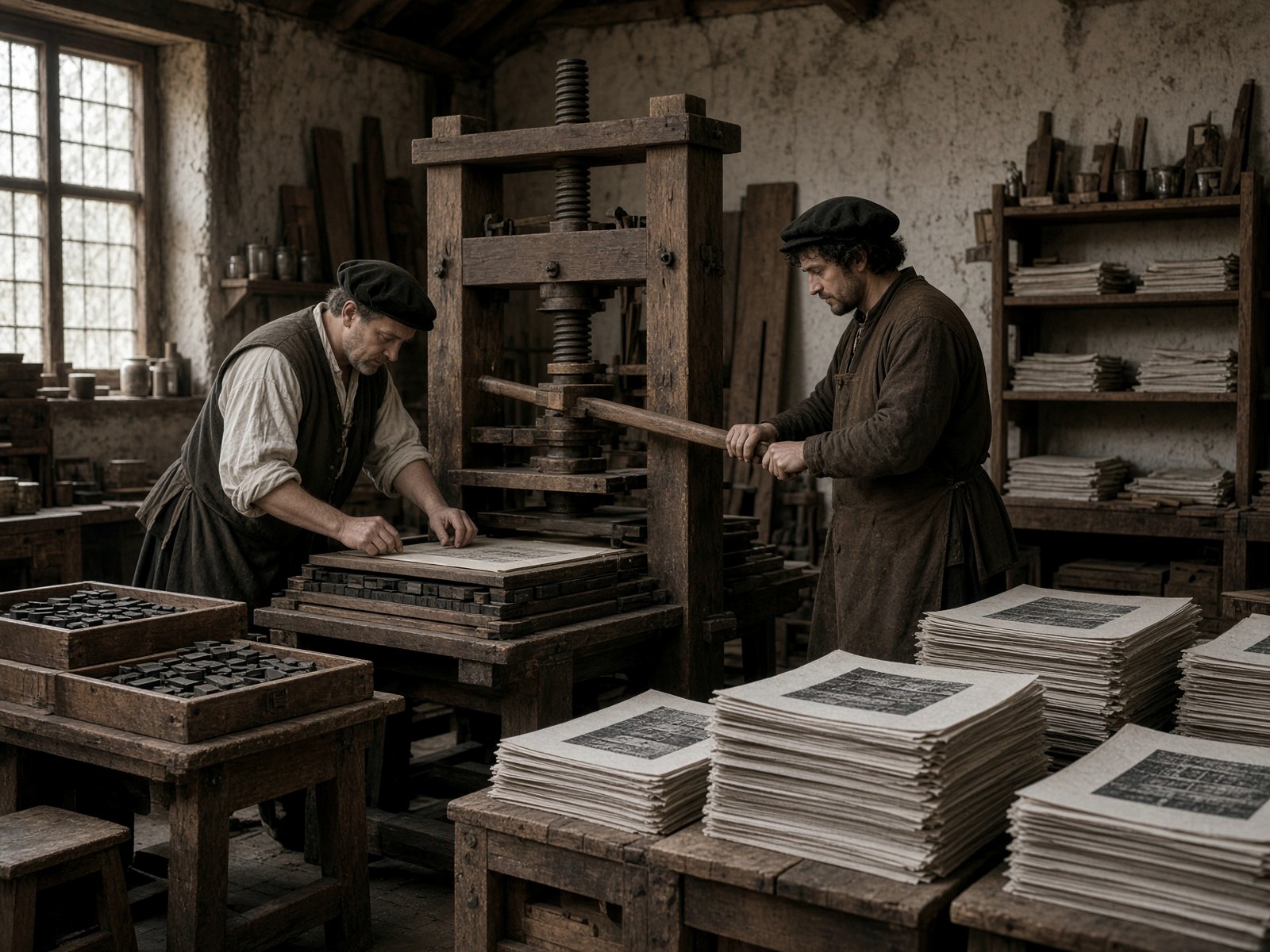
The press didn’t use a feather.
04
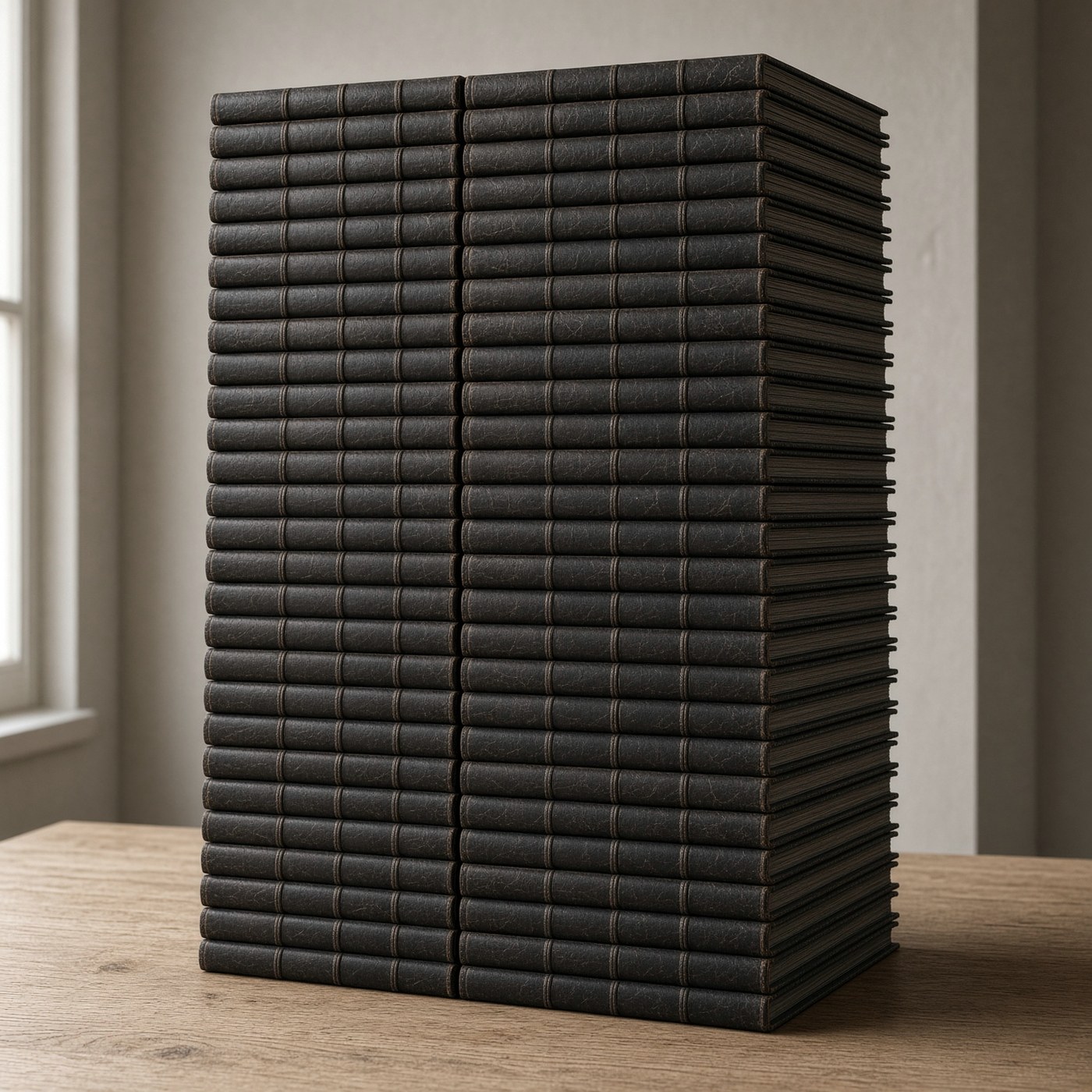
One year, one book. One year, about a hundred.

05
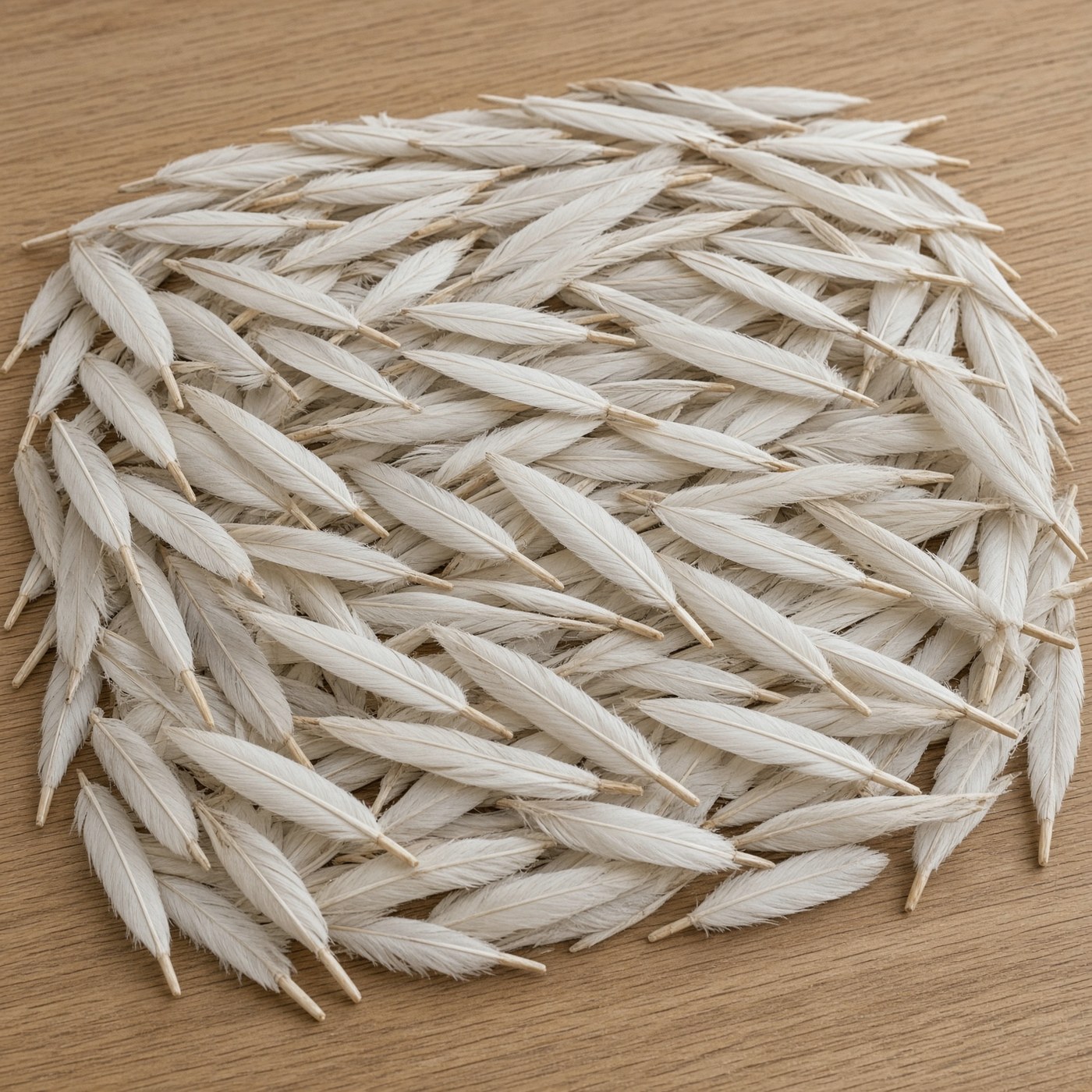
Excel files, PDFs, files like that — those are the feathers of the computing world. They were built for a time when we wrote everything by hand.
06
PDFs are the feather. Prims are the press.
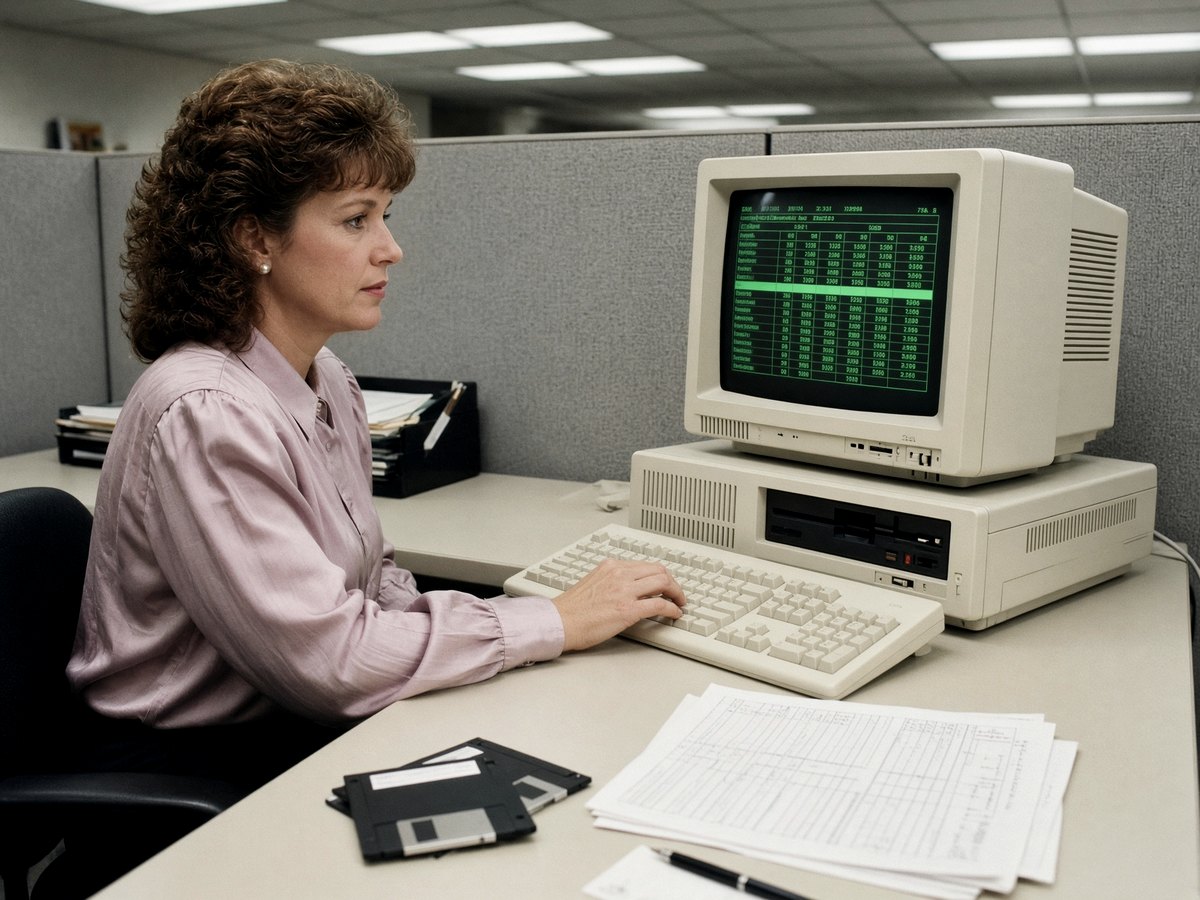
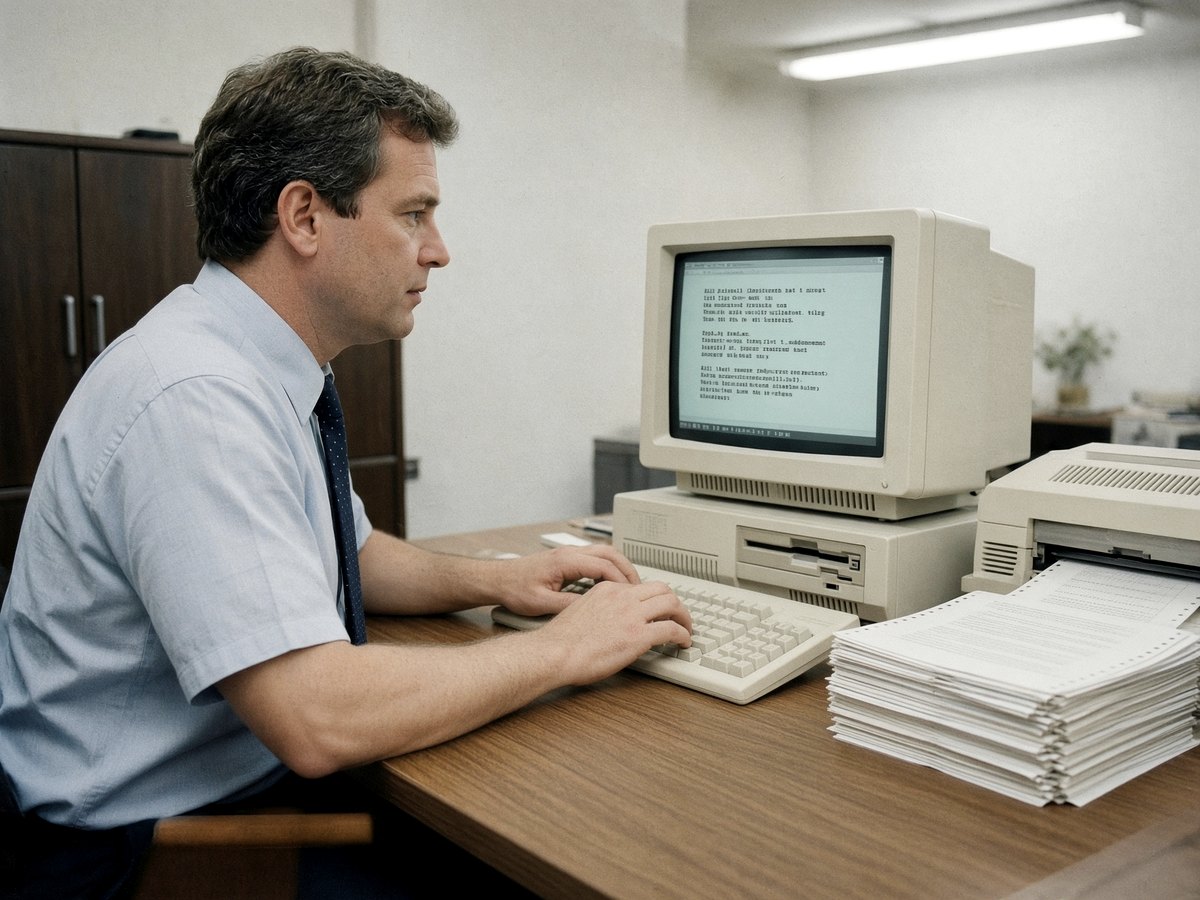
Before AI, a person sat at a machine and made a file. That file became the idea, the product, the company, the mission, the trip. Spreadsheet, deck, PDF — that was the work. That’s file hell: humans living inside formats that never end.
Pre-AI
A human makes every file.
One person. Three formats. Three jobs.
After
Humans and AIs contribute. Files come out.
Same files. The arrow flipped.

Those formats were not designed for agents. They were designed before agents existed.
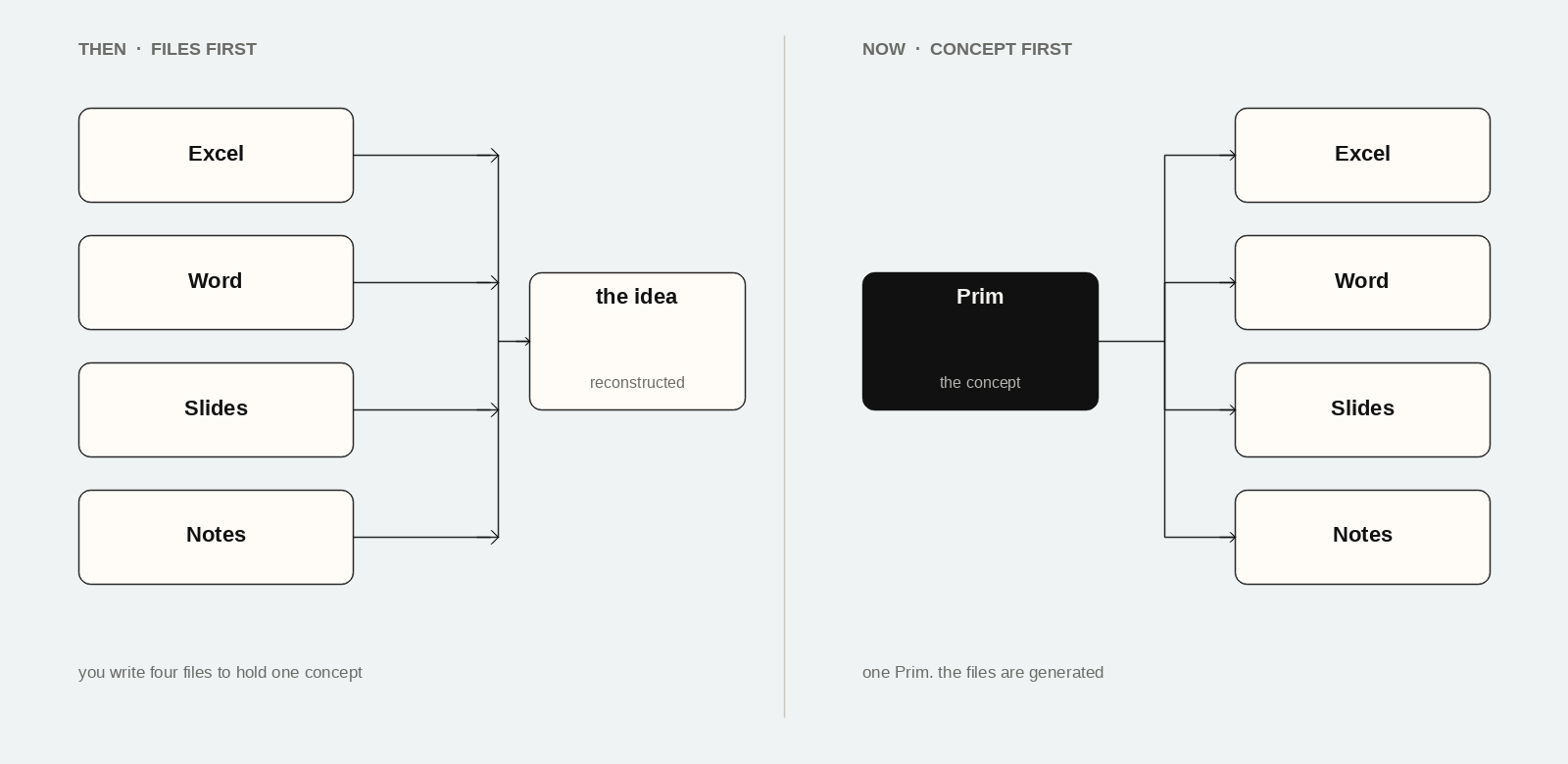
We made each file to represent a single concept. Prim reverses the order: store the concept, generate the files. Same Excel. Same deck. Different century of format.
The work survives the person, the session, and the vendor. Open it in ten years. It’s still the Prim.
One file. Desk to desk, agent to agent, counsel to the board. You send the prim — not a zip of conflicting sheets.
The knowledge is the firm’s. Not trapped in someone’s laptop, a chat log, or a tool that walks out the door.
No scraping a deck. No guessing which tab is the source of truth. The file is native — agents reason over it without a translation layer.
Claims carry evidence, hashes, and provenance. Validation is fail-closed. An agent doesn’t have to hope the spreadsheet is right.
A session is a Prim. The next agent picks up the same file. Work doesn’t die when the window closes.
80s
1982–89
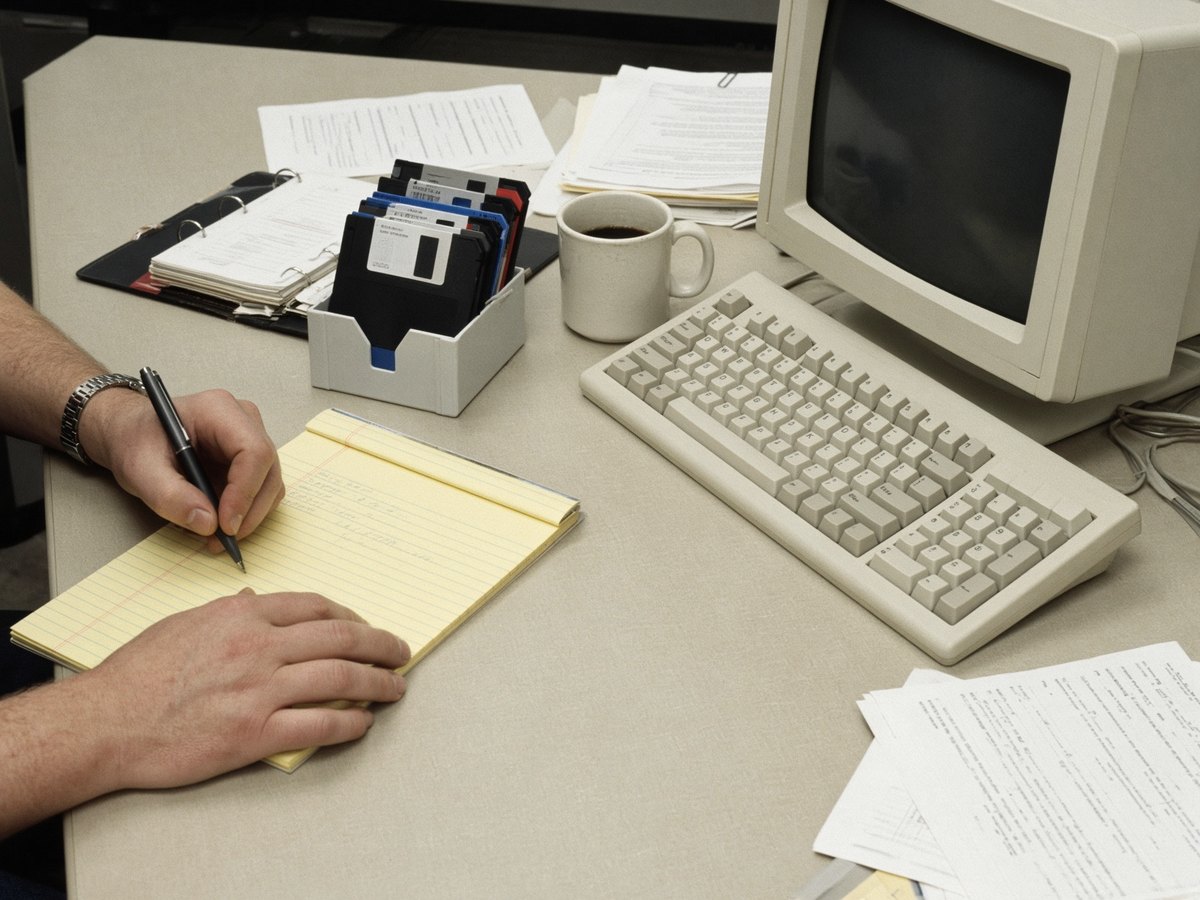
Lotus 1-2-3, WordPerfect, floppy disks
One program. One file. One disk.
90s
1990–99
Excel, Word, PowerPoint
The suite becomes the job.
00s
2000–09
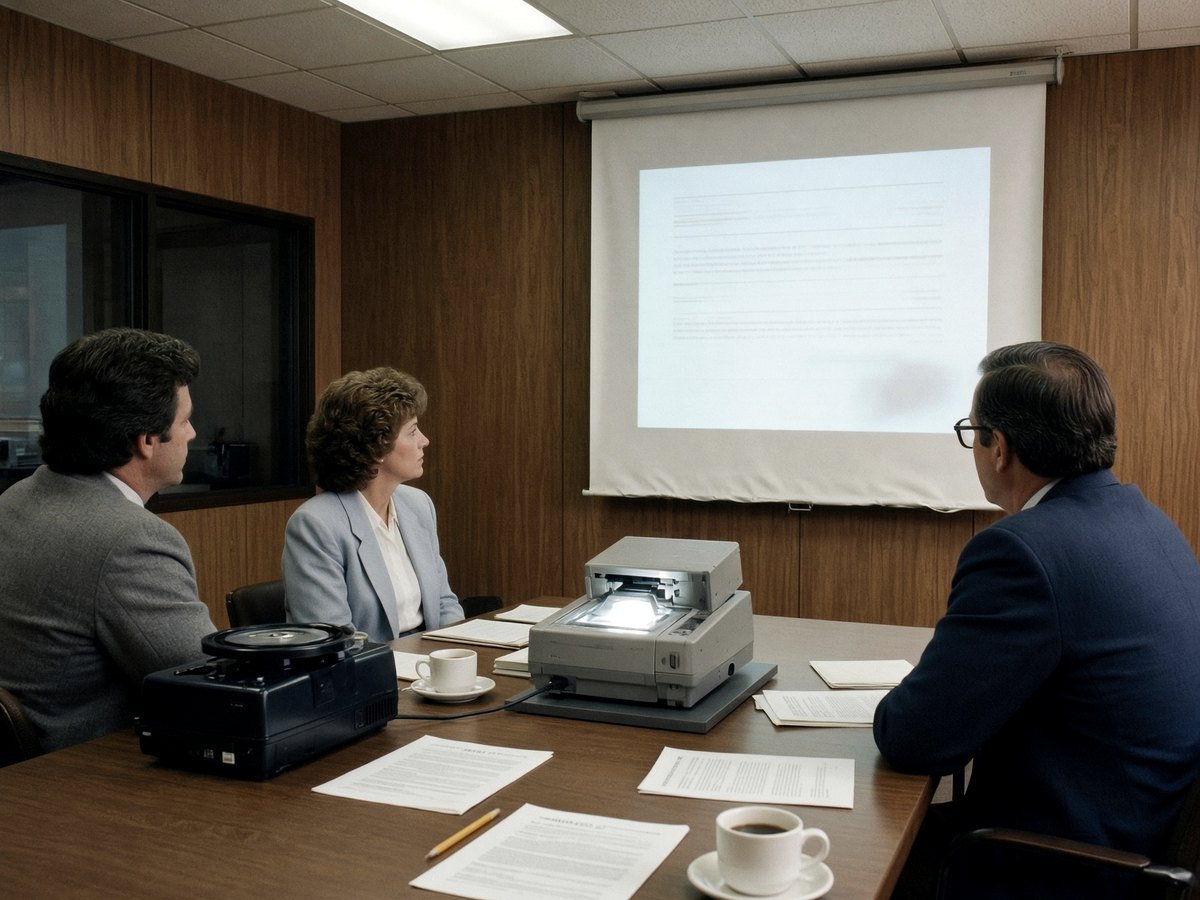
PDF, email the attachment
The file leaves the building.
10s
2010–19
Drive, Dropbox, Slack
Cloud copies of the same files.
20s
2020–
Copilot, ChatGPT
Agents arrive. Still opening those files.
We made each file to represent a single concept.
Spreadsheets for structure. Documents for decisions. Decks for the story. Notes for memory. Each file was a projection we had to author by hand — on whatever machine held that format.
Store the concept. Generate the files.
Reverse the order. The Prim holds the idea once. Excel, Word, the deck, the notes — those come out of it. Same four files. The arrow flipped.
One file
Portable
Adobe cracked portable documents. A Prim is a portable package of knowledge — the same file moves between people and agents without translation.
An AI session itself is a type of Prim. What people call the model “dreaming” is the raw work. The Prim is what it packages.
Define great schemas for Prims up front and agents can finish the work. The spreadsheet is no longer the job — it is an export.
What a Prim is
Agents can read, validate, reason over, and act on them without translation layers.
Durable, versioned, supersedable knowledge that persists across sessions and agents.
Claims carry provenance, trust tiers, and hashes.
No fixed UX. Views are rendered on demand — json-render style.
Still openable and understandable by people.
A Prim is not the dream. It is what the dream becomes when it is packaged so the next agent — or person — can pick it up.
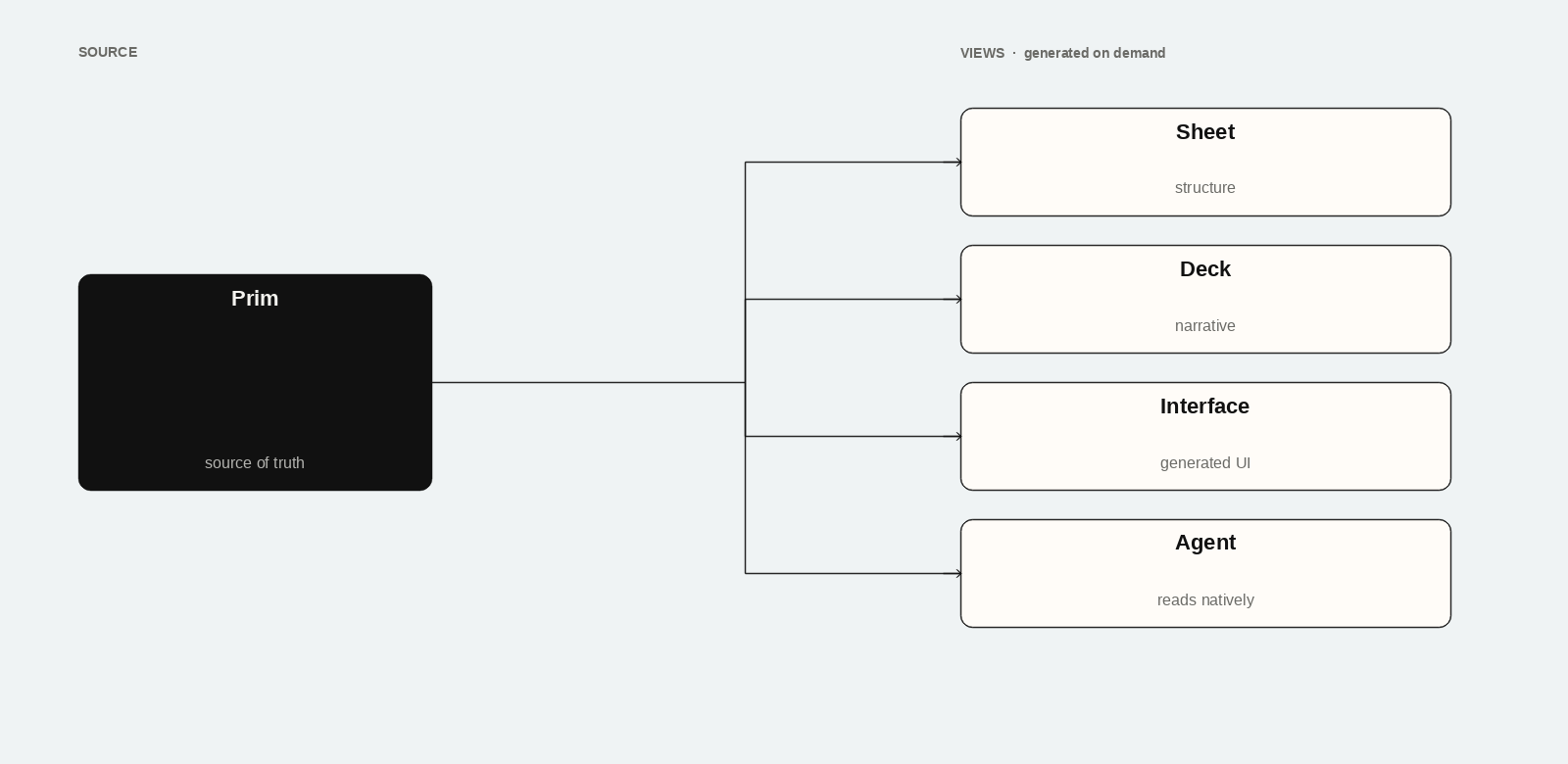
How to say it
Technical names — OKF, ORF, OCSF — belong in specs. Everyday speech stays on Prim.
Packaging
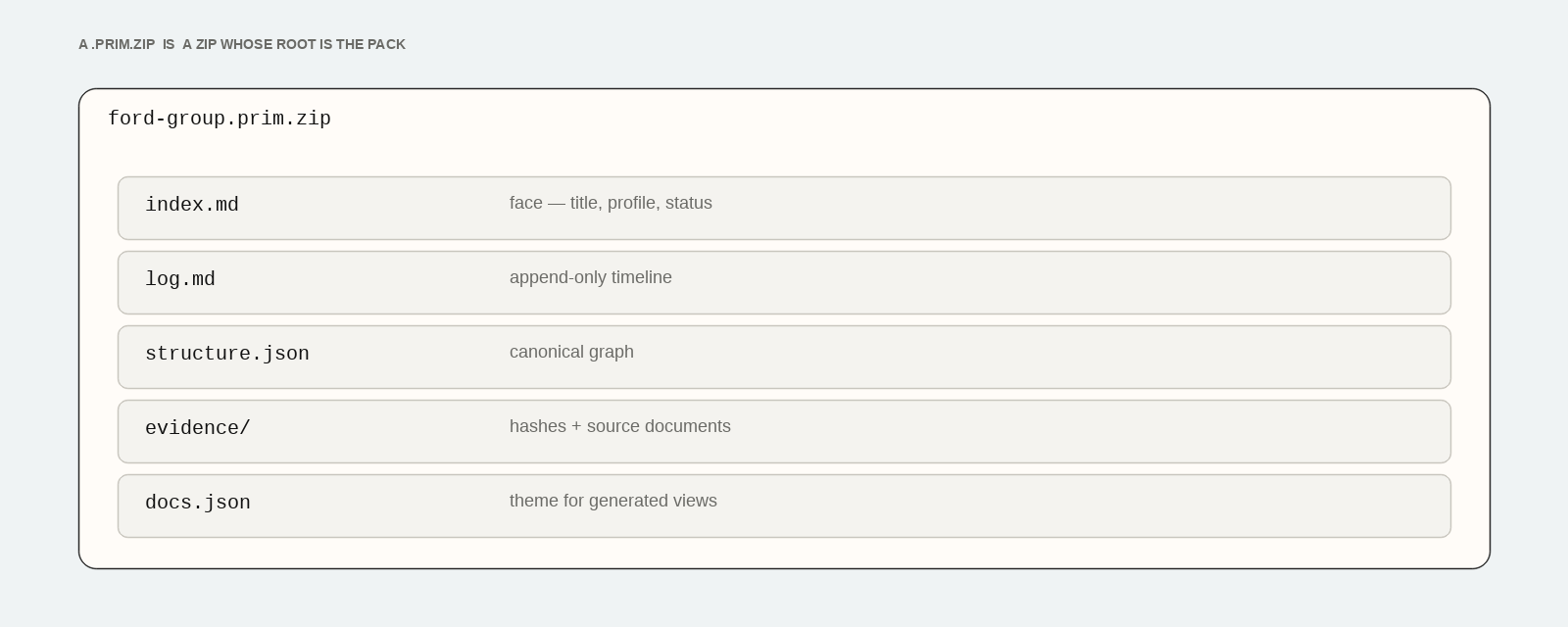
The family
Under the hood, Prims are additive Open Knowledge Format profiles from Eidos.
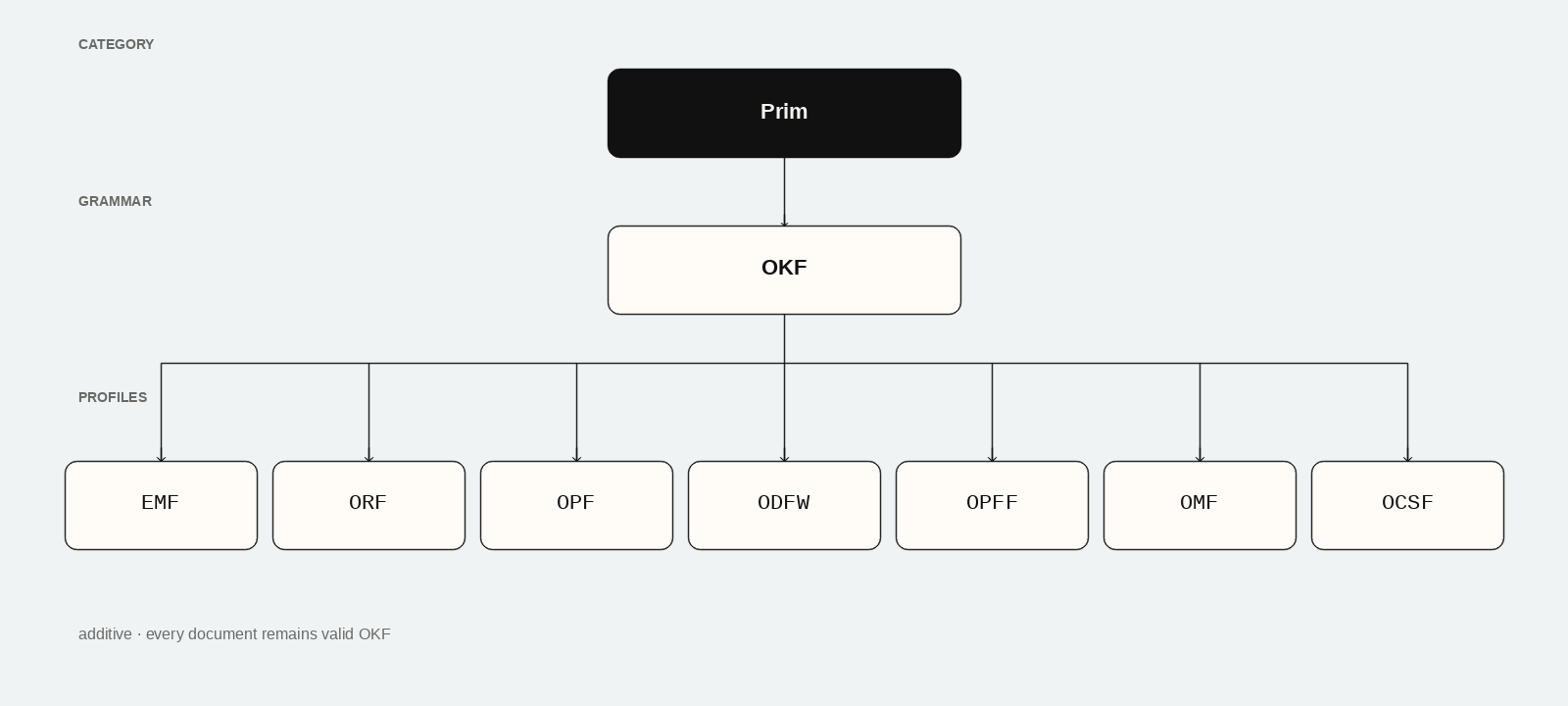
The category specification, family map, and packaging rules live in the open. MIT. Early.
github.com/eidos-agi/prim .xlsx
.xlsx .docx
.docx .pptx
.pptx .pdf
.pdf .txt
.txt .eml
.eml .zip
.zip .mdb
.mdb